
Decades of Collective
Expertise
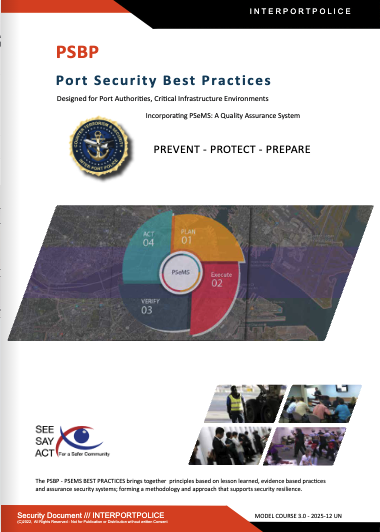
P²SeMS
Port Protective Security Best Practices
Best practices and standards are a collaborative effort focused on preventative measures, incident management, and Counterterrorism as core principles. Combating terrorism is a complex and challenging task. However, by working together, security communities can make our transportation and supply chain environments safer.
Member Login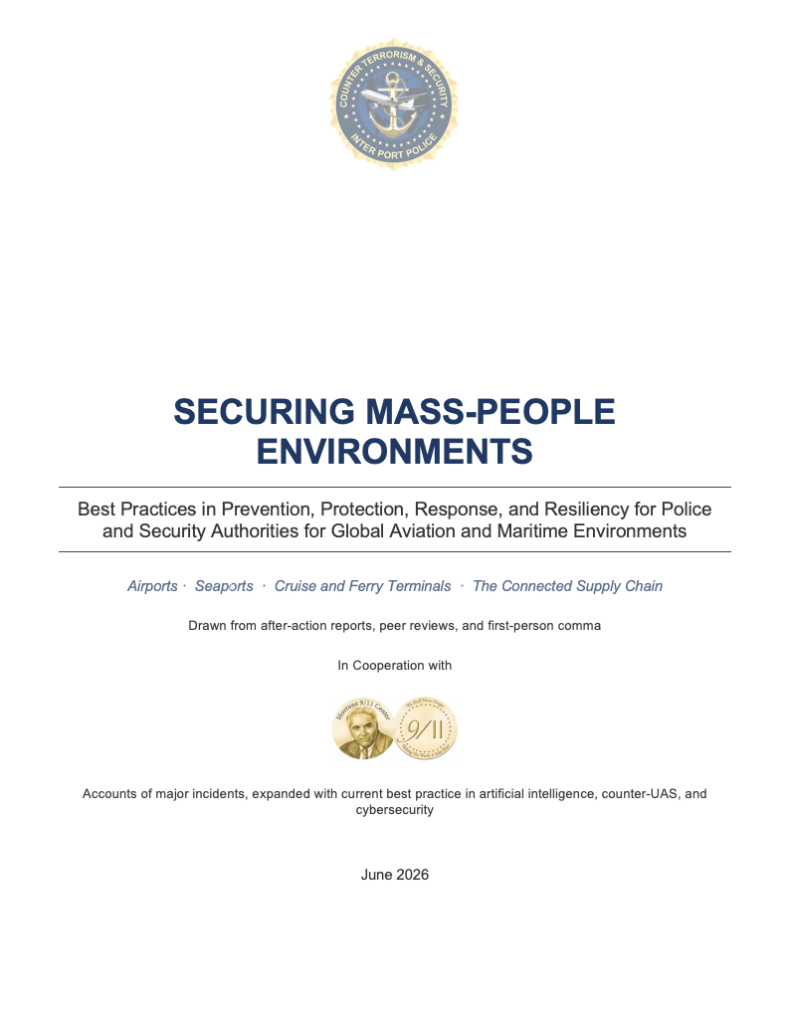
Securing Mass-People Environments
Brussels, Fort Lauderdale, Nagoya, Parkland, Uvalde — and on a hard truth: authorities often relearn the same lesson twice before it sticks. Ports, airports, and the networks linking them have outgrown old perimeter-and-patrol thinking, whether the threat is a drone, a ransomware attack, or one bad radio call. What follows is a practical alternative — intelligence-led and multi-disciplinary — built from after-action reports and the accounts of commanders who lived these events.
What's In the Library
Threat Assessment
Frameworks for evaluating and prioritizing security threats across airport and seaport operations.
Incident Protocols
Standardized operational procedures for responding to critical security events.
Training Standards
Benchmarks and competency frameworks for port security training programs.
Preventive Security
Best practice guidance rooted in the value of preventative practice. See Say Act principle — empowering personnel at every level to identify, report, and respond to suspicious activity before it escalates.
Quick-Reference Papers
Browse our growing library of one-page research summaries and reference papers covering threat assessment, incident protocols, and preventive security practices across airport and seaport environments. Each paper is available to download as a PDF.
Members-Only Access
The full IPP Best Practices Library — including operational protocols, case study analyses, and standardized frameworks — is exclusively available to verified member agencies. Content is continuously updated by working groups and reviewed by subject matter experts across the global network.
Learn About MembershipHow Practices Are Developed
Incident Collection
Working groups gather real-world incident data from member agencies across all regions.
Analysis & Validation
Subject matter experts analyze patterns, extract lessons, and validate findings against academic research.
Framework Development
Operational protocols and standards are drafted, reviewed, and refined through member consultation.
Continuous Review
Published frameworks are reviewed annually and updated to reflect new threats and operational environments.

